
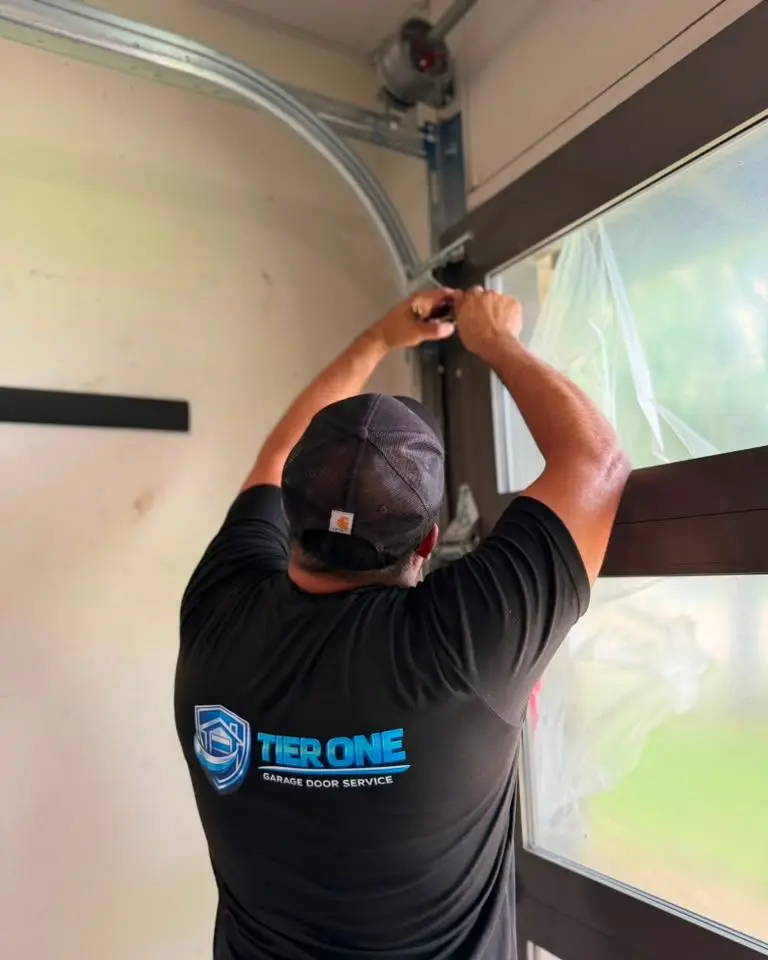
What a tune-up includes
- Inspection of springs, cables, drums and bearings for wear and rust
- Inspection of rollers, hinges, tracks and mounting hardware
- Tightening of track brackets, hinges and opener mounts
- Lubrication of springs, bearings, hinges and steel rollers
- Door balance test and spring adjustment if needed
- Opener travel and force check
- Safety sensor and auto reverse test
- Check of weather seal and bottom seal condition
How often should a garage door be serviced?
Once a year suits most homes. Doors that are used many times a day, heavy wood or oversized doors, and doors that are more than ten years old benefit from more frequent checks.
A pre-purchase or pre-listing inspection is also worthwhile. A general home inspection covers the garage door only briefly; a garage door inspection tells you the actual condition of the springs, cables and opener and what, if anything, needs attention.
Why maintenance matters in Central Texas
Long, hot summers dry out lubricant and vinyl seals, and unconditioned garages put openers through sustained high temperatures. Dust and cedar pollen settle in tracks and on sensor lenses. None of these cause sudden failure, but together they speed up wear. Fresh lubricant, tight hardware and a balanced door reduce the load on every moving part.
Checks you can do between visits
- Watch and listen. Any new noise, jerk or hesitation is worth noting.
- Balance test. With the door closed, pull the release cord and lift the door halfway. It should stay roughly in place. If it drops or rises, the springs need adjusting.
- Reversal test. Lay a piece of scrap lumber flat under the door and close it. The door should reverse when it touches the board.
- Sensor test. Wave an object through the beam while the door is closing. It should reverse immediately.
- Look at the cables. Look, do not touch. Fraying or rust near the bottom brackets means it is time to call.
What to expect from a Tier One visit
Call or send a request
Tell us what the door is doing. We’ll give you the earliest time we can be there.
We diagnose the problem
The technician inspects the whole door system, not only the part that failed.
You approve the price
You get a clear explanation and the price before any work begins.
We repair and test
The door is repaired, balanced and safety tested before we leave.
 Garage Door Maintenance & Tune-Ups FAQs
What lubricant should I use on my garage door?
A silicone or lithium based garage door lubricant. Avoid general purpose penetrating oils, which are solvents and attract dust. Do not lubricate the tracks themselves or nylon roller tires.
Is a tune-up worth it if my door is working fine?
Yes. Most failures give early warning: a frayed cable, a rusted spring, a door drifting out of balance. Finding these during a scheduled visit costs far less than an emergency call with a car stuck inside.
Do you inspect doors for home buyers and sellers?
Yes. We can inspect the door and opener and give you a written summary of the condition and any recommended repairs.