Most garage door breakdowns are preceded by weeks of small symptoms. Catching them early usually means a simpler repair and no car stuck in the garage.
1. The door is louder than it used to be
Grinding and squealing point to worn rollers or dry bearings. Popping or banging as the door moves can mean a spring that needs lubrication or a hinge that is failing.
2. It moves unevenly or shakes
A door that jerks, shudders or hesitates has rollers binding in the track, a track out of alignment, or a spring losing strength.
3. It looks crooked
One side lower than the other means a cable has stretched, slipped or is about to break. Stop using the door and have it looked at.
4. It feels heavy by hand
Pull the release cord with the door closed and lift it. A balanced door lifts with one hand and stays put halfway. A heavy door has worn springs.
5. It reverses or stops for no reason
This is usually the sensors or the opener’s force setting, and occasionally a binding door. See our guide to a garage door that won’t close.
6. The opener strains
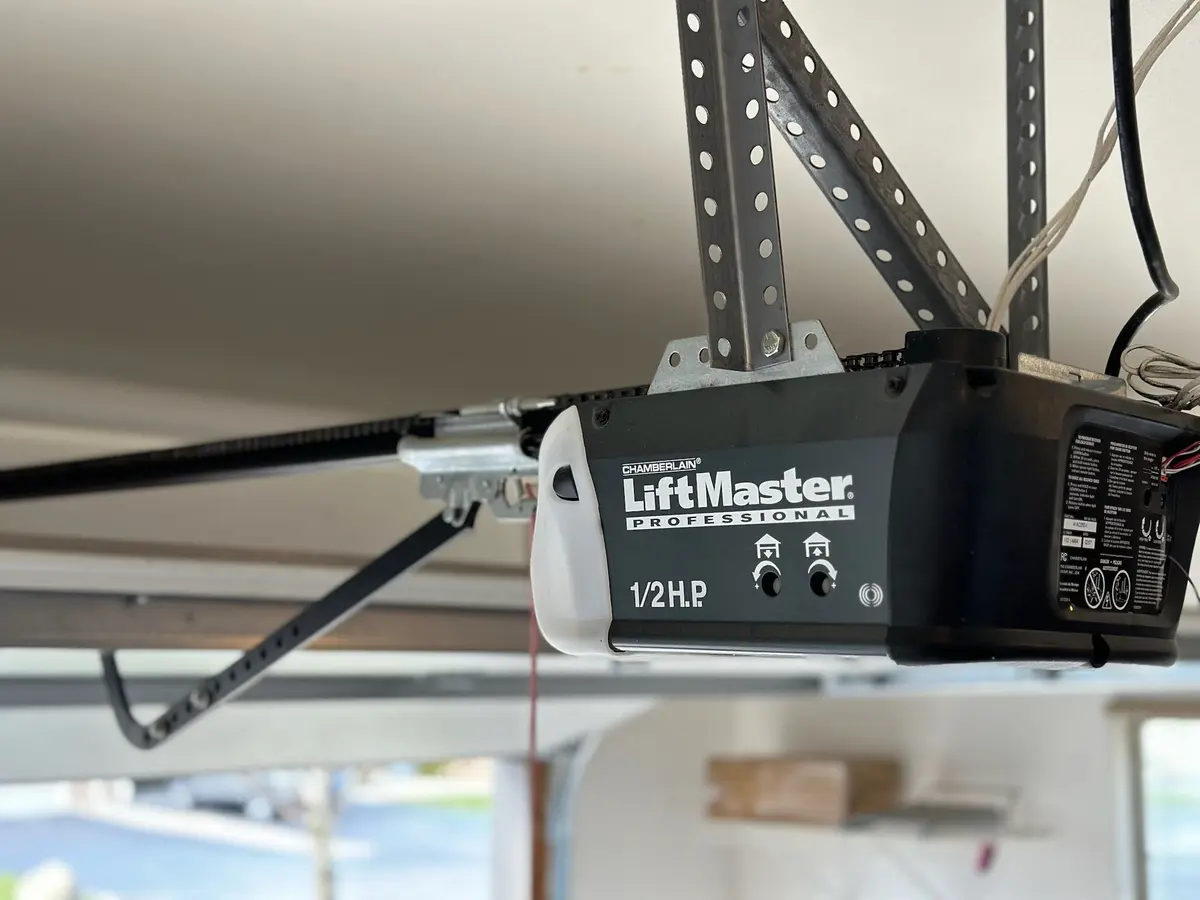
A motor that sounds as if it is labouring is lifting more weight than it should, which means the springs are not doing their share.
7. You can see rust, fraying or gaps
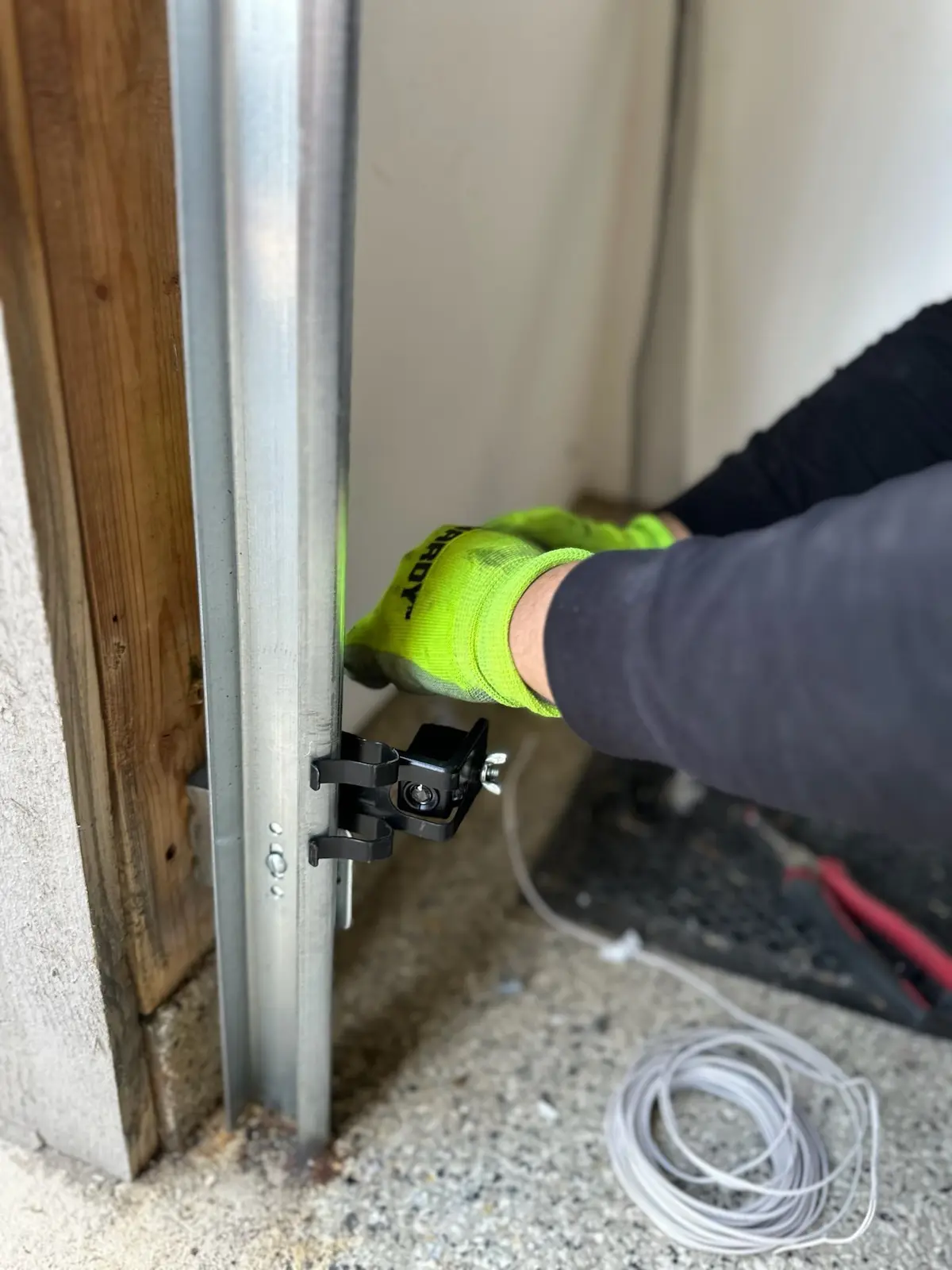
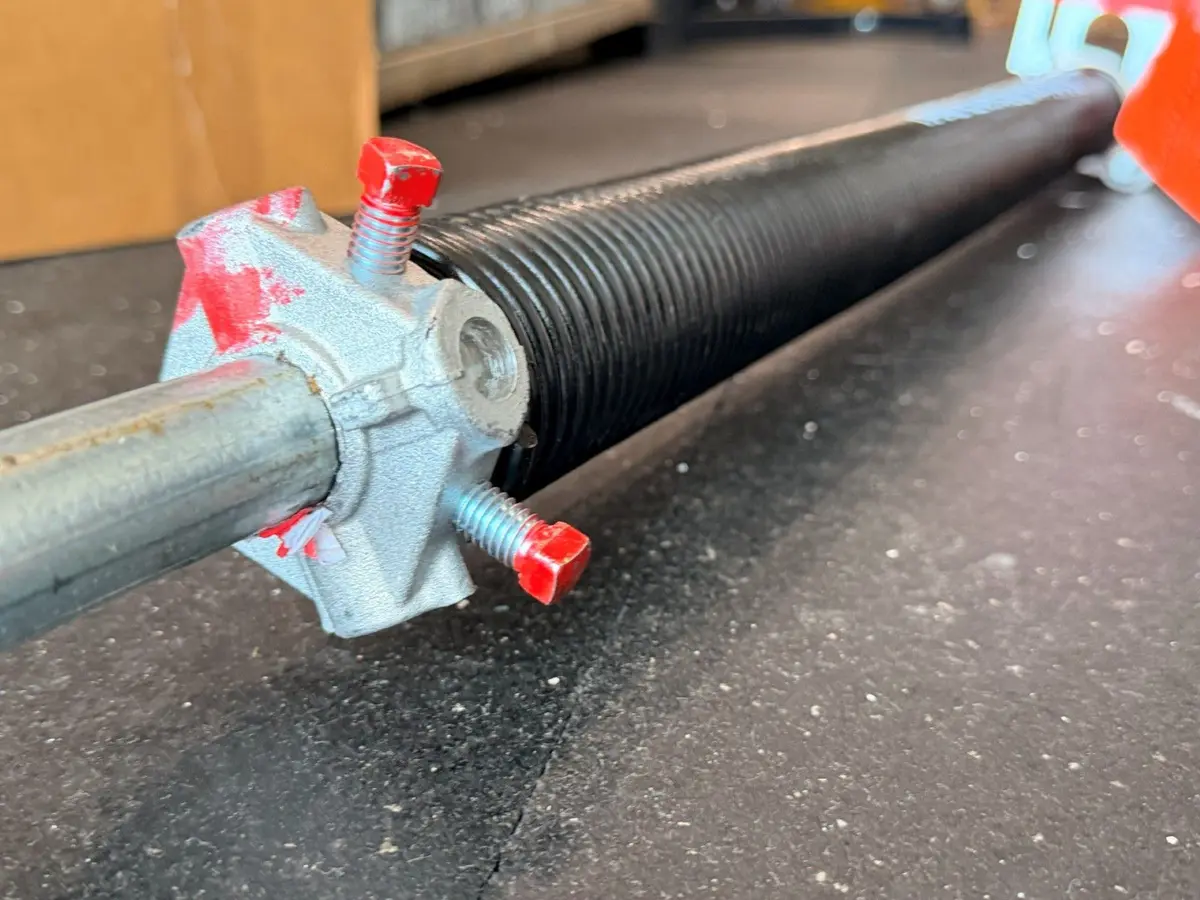
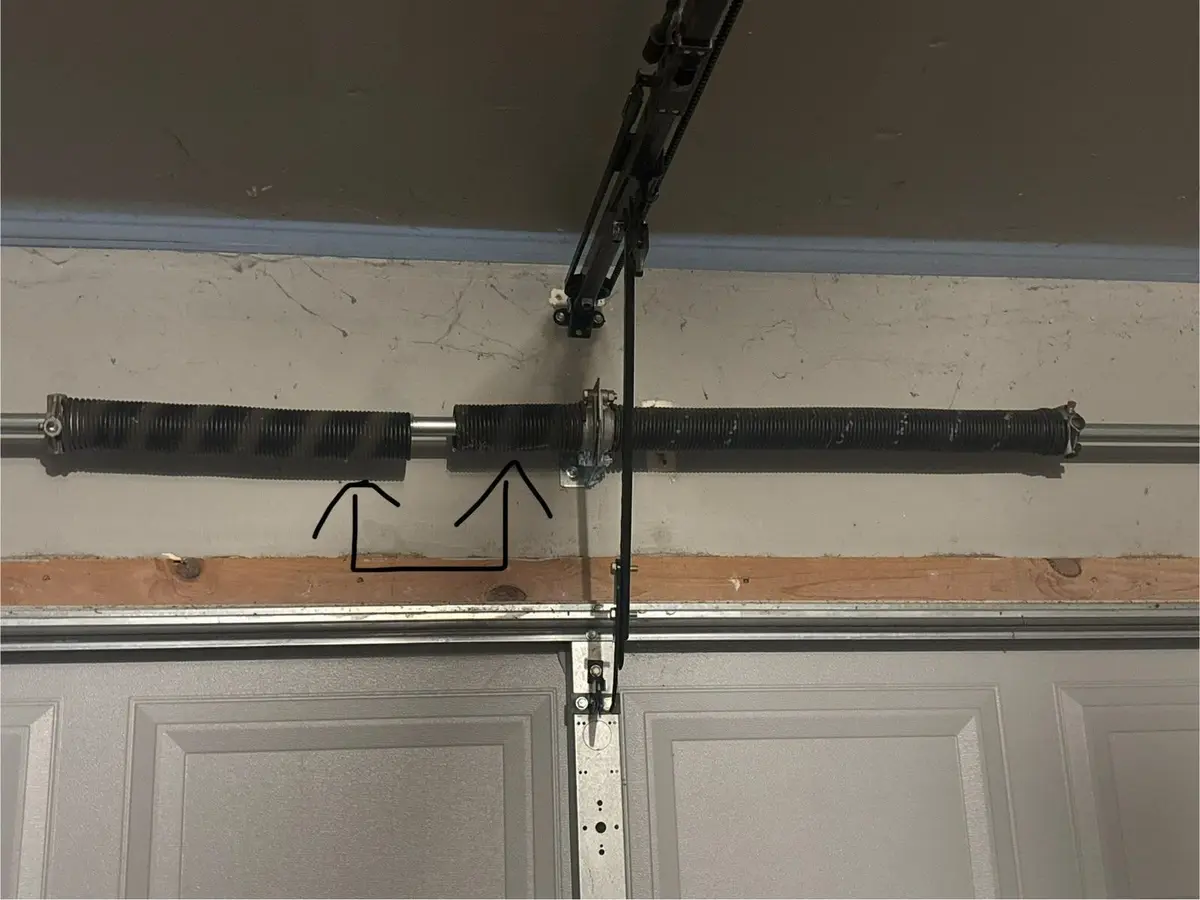
Look at the springs for rust or a gap in the coil, and at the cables near the bottom corners for broken strands. Look only; these parts are under tension.
8. Slow or delayed response
If the door waits a second or two after you press the button, or opens more slowly than before, the opener or springs are tiring.
What to do next
Any one of these is a reason to book a tune-up. A crooked door, a visible gap in a spring or a loose cable is a reason to stop using the door and call.