Quick answer
Before winter, have your garage door tuned up and safety inspected. Cold snaps put the most strain on parts that are already worn: springs near the end of their life, thickened lubricant that makes the door heavy for the opener, and seals that harden and crack. A tune-up checks the springs, cables, rollers, hinges, tracks and opener, lubricates the moving parts, tests the balance and the safety reversal, and catches worn parts before they fail on a cold morning.
Austin winters are mostly mild, but cold mornings and the occasional hard freeze are hard on garage doors. Here is why, what a tune-up covers, and the simple checks you can do yourself.
Why cold weather causes garage door problems
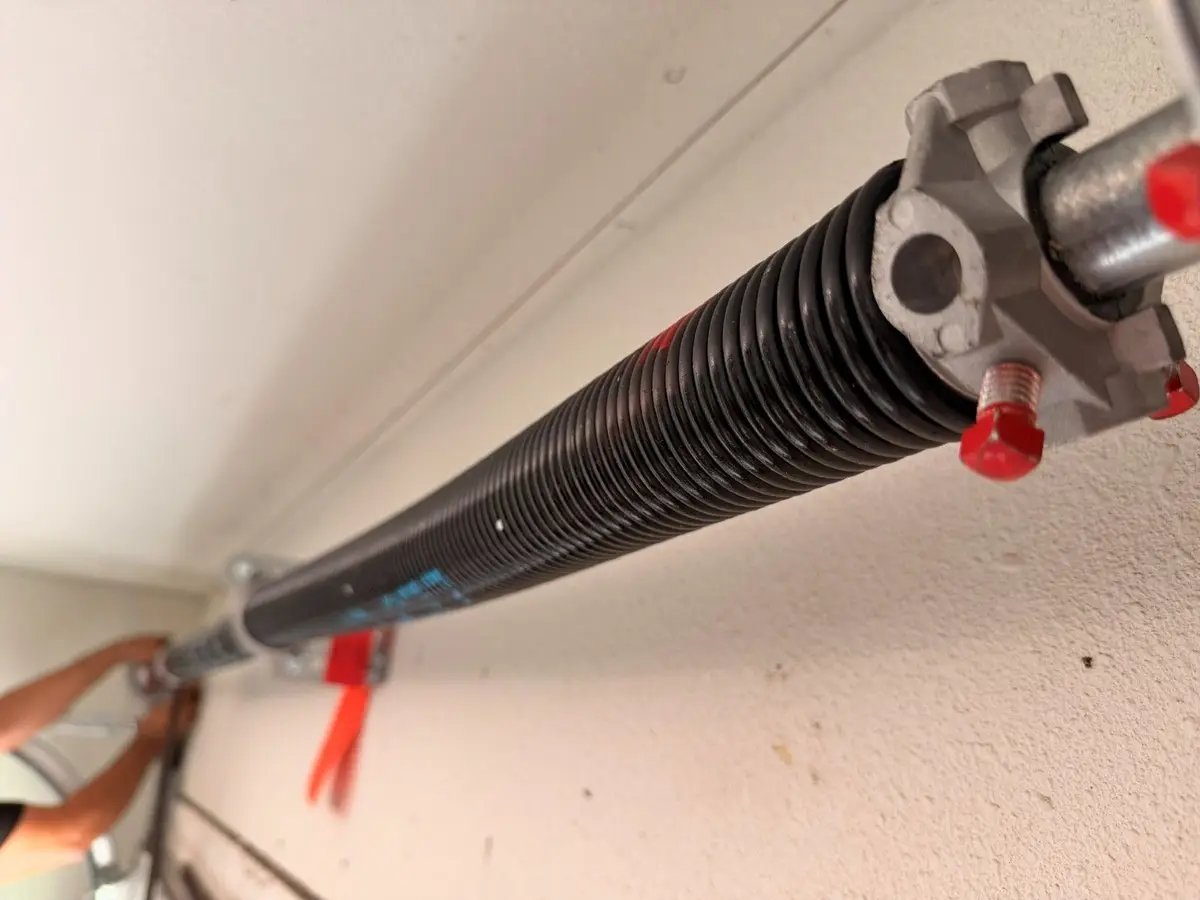
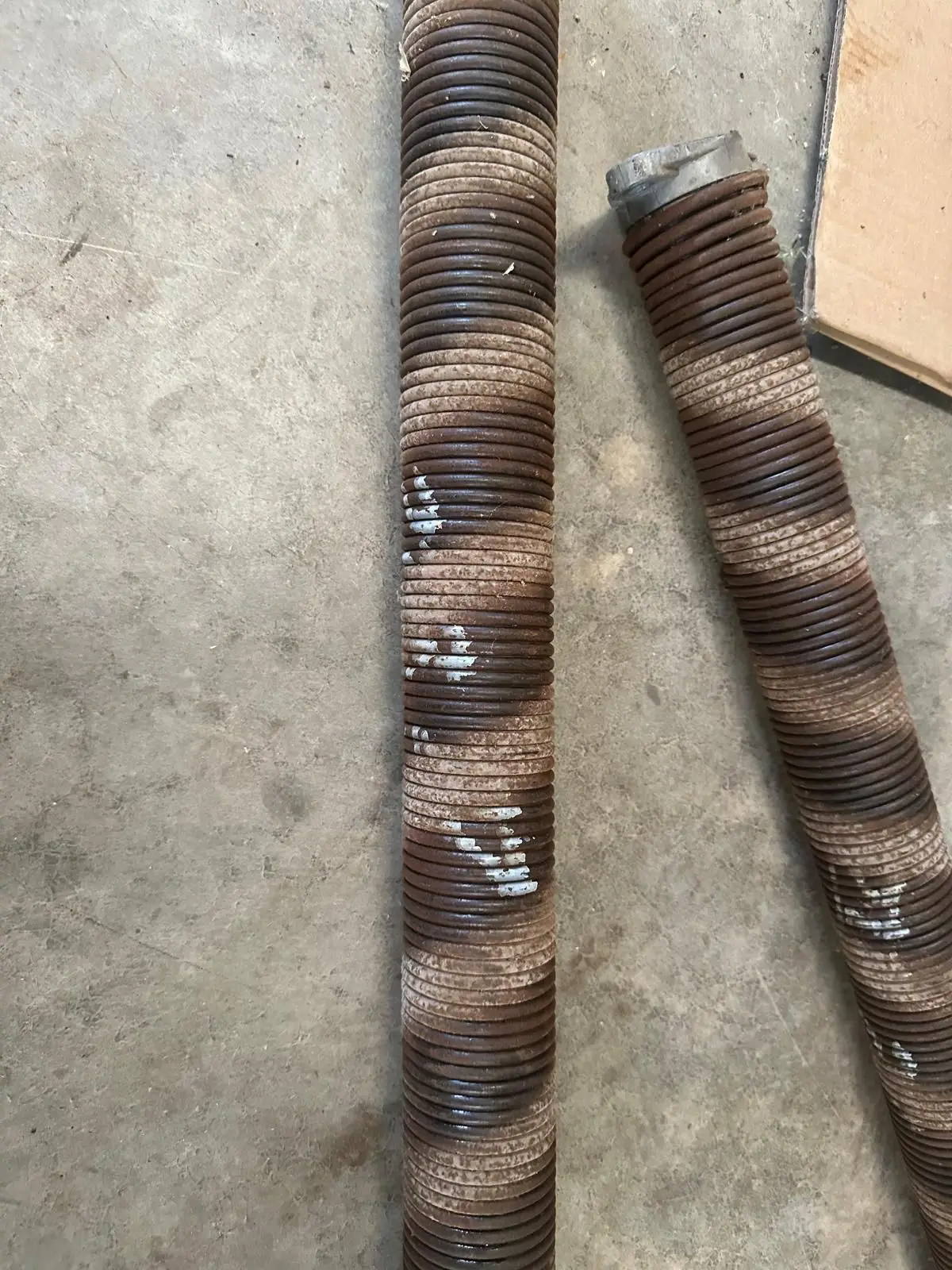
- Springs under the most strain. A torsion spring does the heavy lifting every time the door opens. A spring that is already worn or rusted is most likely to give out when it is stressed hardest, and garage door companies commonly see more broken springs during cold snaps.
- Thickened lubricant. Grease and oil stiffen in the cold, so rollers, hinges and bearings drag. The door feels heavier, and the opener may strain, stop or reverse.
- Hardened seals. Rubber weather seals stiffen and crack in the cold, letting in drafts, and in a hard freeze the bottom seal can freeze to the slab.
- Metal contracting. Tracks, brackets and fasteners shift slightly with big temperature swings, which can loosen hardware over time.
What our records show
Between March and September 2026, our dispatch records show 517 service calls across the Austin area, and broken springs and opener problems were the most common reasons. Those are the same two parts cold weather strains most, which is why a pre-winter check focuses on them.
What a tune-up and safety inspection covers
- Springs checked for wear, rust and gaps, and the door balance tested
- Cables, drums and bottom brackets checked for fraying and slipping
- Rollers, hinges and tracks inspected, and loose hardware tightened
- Moving parts lubricated with a lubricant made for garage doors
- Opener checked, travel limits and force adjusted
- Safety sensors aligned and the automatic reversal tested
- Bottom seal and weatherstripping checked
You get a clear report of anything that is worn, and the price of any repair in writing before work begins. See garage door maintenance and tune-ups.
5 checks you can do yourself
- Look at the springs. From inside, look at the spring above the door. A gap in the coil means it has broken. Look only; never adjust springs yourself.
- Look at the cables. Check the cables at the bottom corners for fraying or broken strands.
- Balance test. With the door closed, pull the emergency release, lift the door halfway by hand and let go. A balanced door stays put. If it drops or rises, the springs need attention. Reconnect the opener afterward.
- Reversal test. Lay a roll of paper towels flat under the door and close it. The door should reverse as soon as it touches the roll. If it does not, stop using the opener and have it adjusted.
- Sensor test. Start closing the door and wave something through the beam between the two sensors. The door should stop and go back up.
When to call instead
Call a technician if a spring has a gap, a cable is frayed or loose, the door is crooked or feels very heavy, or the door fails the reversal test. These are the parts under the most tension, and they are the ones most likely to fail on a cold morning. See broken garage door spring and how long garage door springs last.
 Common questions
Do garage door springs break more in cold weather?
Garage door companies commonly see more broken springs during cold snaps. A spring that is already worn is most likely to fail when it is under the most strain, and cold, stiff hardware adds to that strain.
Why is my garage door slow or heavy when it is cold?
Lubricant thickens in the cold, so rollers, hinges and bearings drag, and the opener works harder. Lubricating the moving parts and checking the balance usually fixes it. If the door feels very heavy, have the springs checked.
Why does my garage door reverse in cold weather?
When the door is stiffer in the cold, the opener can sense extra resistance and reverse. Lubrication and a force adjustment usually solve it, but a door that suddenly feels heavy may have a spring problem.
How often should a garage door be tuned up?
Once a year suits most homes. Before winter is a good time, because cold weather puts the most strain on worn springs and openers.