Quick answer
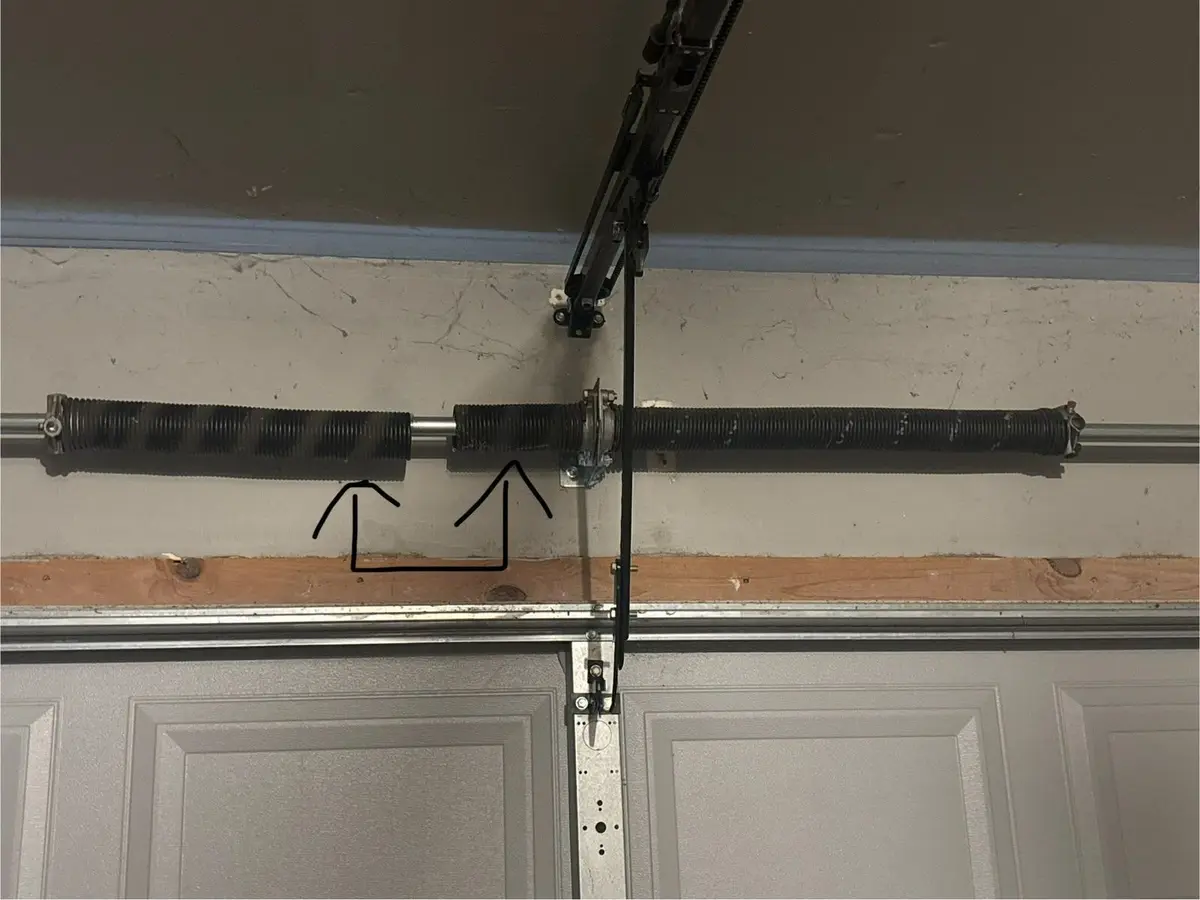
Most garage door noise comes from worn rollers, dry hinges and springs, loose hardware, or a chain drive opener. Squeaking usually means parts need lubrication; grinding often means worn rollers or bearings; rattling means loose nuts and bolts; and a loud bang from the garage when nobody is using the door usually means a spring has broken. Lubricating the moving parts and replacing worn metal rollers with sealed nylon rollers quiets most doors.
The type of noise tells you a lot about the cause. Listen while the door runs, then match it below.
Match the noise to the cause
| Noise | Usual cause |
|---|---|
| Squeaking or squealing | Dry hinges, rollers or springs |
| Grinding or scraping | Worn rollers or bearings, or a track out of line |
| Rattling | Loose nuts, bolts or brackets |
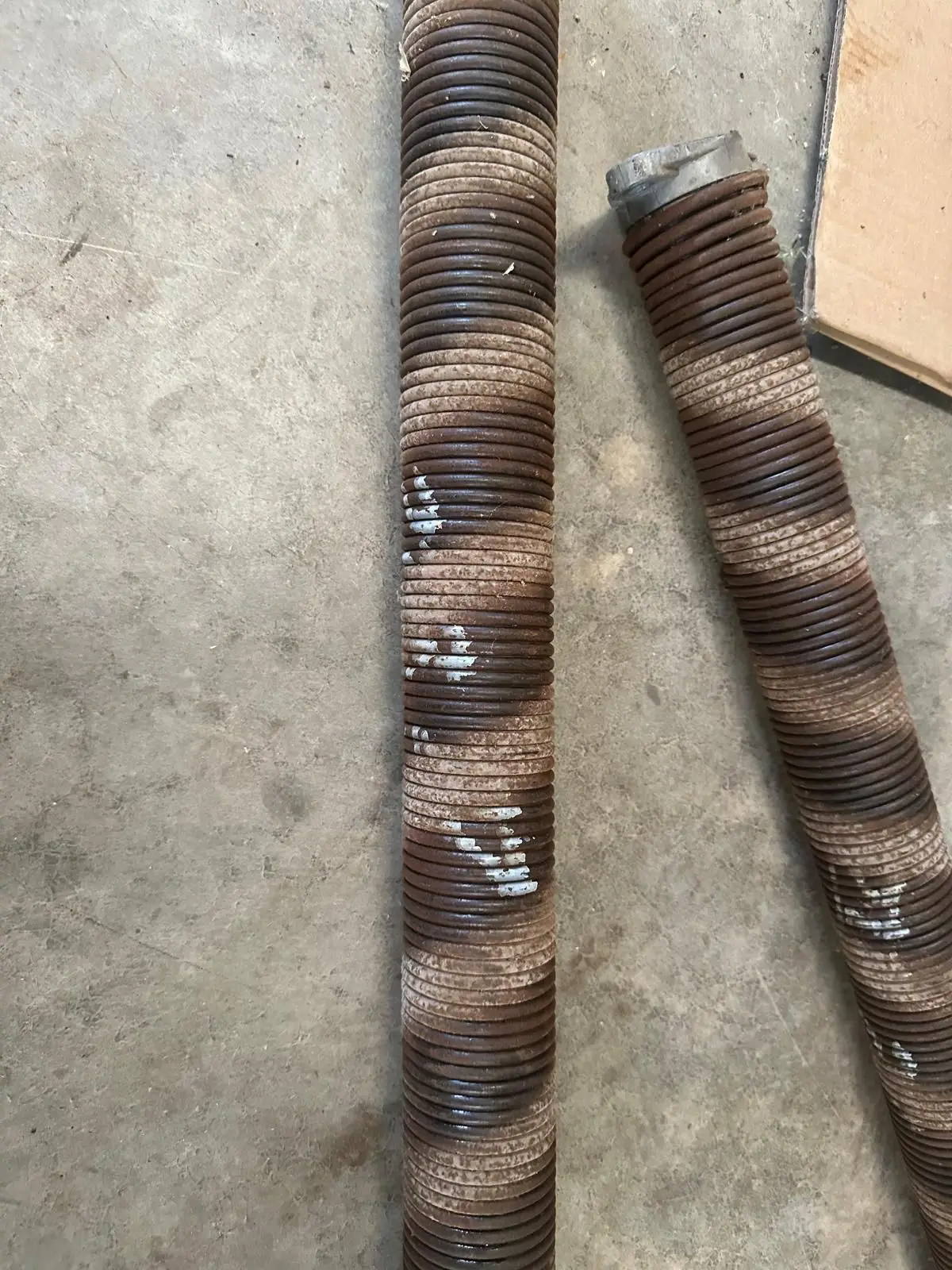
| Popping or creaking | Springs needing lubrication, or worn hinges |
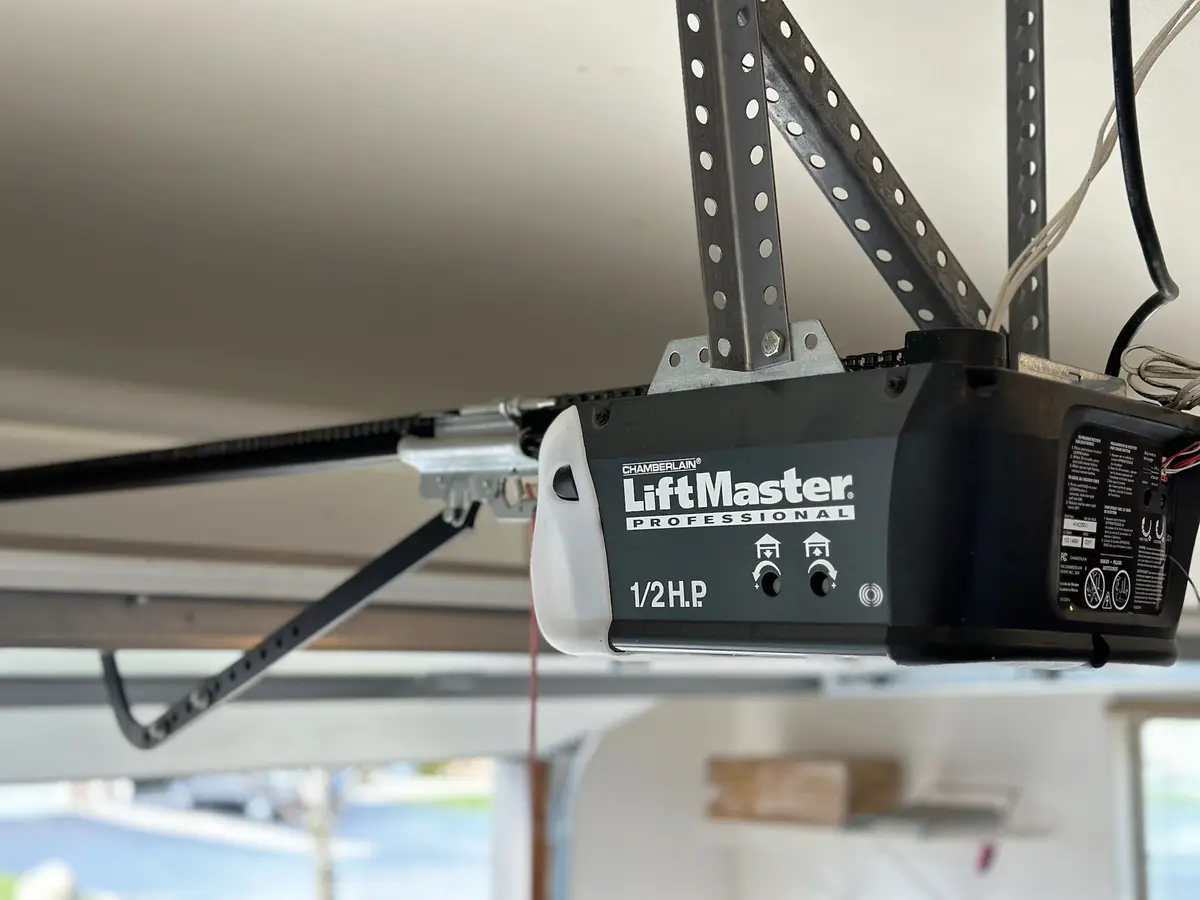
| Clanking from the opener | A chain drive opener, or a loose chain |
| One loud bang, door now heavy | A broken spring |
What you can safely do
- Lubricate hinges, roller bearings and the springs with a garage door lubricant or white lithium spray. Do not grease the tracks; they should be clean and dry.
- Tighten loose nuts and bolts on the hinges and track brackets with a wrench, but leave the bottom brackets and anything on the spring bar alone: they are under tension.
- Wipe dirt out of the tracks.
Fixes that make the biggest difference
Replacing worn metal rollers with sealed bearing nylon rollers is the single most effective way to quiet a door. If the opener is a chain drive, a belt drive opener is much quieter. See roller replacement and belt vs chain drive openers.
When noise is a warning sign
Grinding with jerky movement, a door that looks crooked, or a sudden loud bang mean something has worn out or broken. Stop using the door and have it checked. See signs your garage door needs repair.
 Common questions
What should I use to lubricate a noisy garage door?
A garage door lubricant or white lithium spray on the hinges, roller bearings and springs. Avoid heavy grease, and do not lubricate the tracks.
Why does my garage door make a grinding noise?
Usually worn rollers or bearings, or a track that is slightly out of line. Worn metal rollers are a common cause and are replaced with quieter nylon rollers.
Is a loud garage door dangerous?
Noise on its own usually is not, but a loud bang, grinding with jerky movement, or a crooked door can mean a broken spring, cable or roller. Stop using the door in those cases.